
 +86 18721624519
Hong Kong’s Hung Fuk Court Fire Serves as a Cautionary Tale: How Should Fire Safety Be Ensured for Building-Integrated Photovoltaics?
The Hong Kong Hung Fuk Court fire has thrust the safety concerns surrounding building-integrated photovoltaics (BIPV) into the industry spotlight. Particularly vulnerable to the “chimney effect”, these systems face heightened risks where localised fires can rapidly propagate upwards through cavity spaces – posing significantly greater hazards than rooftop installations. This explains why most nations worldwide maintain exceptionally stringent fire safety standards for façade PV systems when promoting Building-Integrated Photovoltaics (BIPV).
I. Why are facade PV systems more prone to fire propagation? Insights from Swiss case studies
Switzerland, a globally advanced BIPV market with widespread facade PV adoption, lacked unified standards. Consequently, the Swiss Energy Agency commissioned Swissolar to develop the Interim Guidelines for Fire Protection of Ventilated Facade Photovoltaic Systems, defining safety boundaries for such installations.
This guidance primarily addresses ‘ventilated facade photovoltaic systems’ – structures where decorative cladding surrounds photovoltaic modules, with a ventilated cavity separating them from the building structure. It analyses potential risks across four typical fire scenarios, including:
Ignition by sparks from adjacent buildings
Fires originating at building bases or balconies
Indoor flames escaping through window openings and igniting the facade
Electrical arcing or component failures within the photovoltaic system itself
The most prominent risk in these scenarios is rapid vertical fire spread. Particularly when cavity depths are inadequate, materials lack sufficient flame retardancy, or cable routing is non-compliant, flames can engulf an entire façade within minutes.
Switzerland’s classification system further emphasises:
Buildings under 11 metres: Relatively low risk, allowing simplified requirements;
Buildings over 30 metres: Higher-grade flame-retardant materials and fire-resistant support structures must be used, with combustion testing required;
All buildings: Strict specifications for cable routing, module glass types, and backsheet flame-retardant ratings.
These standards are more detailed than China’s current General Code for Fire Protection of Buildings and provide a reference for future standardisation of façade PV systems in China.

II. Why has the Hong Kong fire caused such alarm within the industry?
Hong Kong’s high-rise residential buildings are densely packed with minimal spacing between structures, high wind pressures, and complex balcony and façade configurations. Should a fire spread via external wall PV installations, the resulting:
Difficulty of evacuation
Speed of propagation
Secondary fires affecting adjacent buildings
would far exceed those in conventional structures. This fundamentally explains the industry’s sustained focus on ‘external wall PV safety’ in recent years.
Although the Hong Kong Hung Fuk Court fire was unrelated to PV systems, this incident reinforced public awareness: any façade-mounted installation, if lacking rigorous safety standards, could potentially act as a fire accelerant.
Consequently, regardless of future PV adoption rates, fire safety standards will inevitably become more stringent.
III. How should façade PV systems be implemented? Materials and cabling must not be overlooked
Based on compiled information, the industry currently prioritises the following aspects for façade PV:
- Enhanced flame-retardant ratings for modules and structural materials
– Double-glass modules must use tempered glass
– Laminate films must meet RF2 (equivalent to China’s B1)
– Back sheets must achieve RF3(cr)
– For support structures exceeding 11m in height, all materials must be non-combustible (RF1/Class A)
- Rational cavity depth design to mitigate chimney effect amplification
A 40–100mm safety zone significantly reduces vertical fire propagation velocity.
- Standardised cable routing is paramount
Horizontal cable bundles must not exceed 6 strands
Vertical cable bundles must not exceed 3 strands
Wall penetrations require RF1-rated sleeves
All cables must meet RF3(cr) flame retardancy rating.
- Regular inspections are essential:
High-rise: every 2 years
Mid-rise: every 3 years
Low-rise: every 5 years
Whether based on Swiss experience or current Chinese regulations, the core principle for façade PV systems can be summarised thus:
Fire safety must be the paramount priority in system design and construction.
IV. What special considerations apply when integrating façade PV with energy storage? Highjoule(HJ Group)’s approach offers a reference pathway.
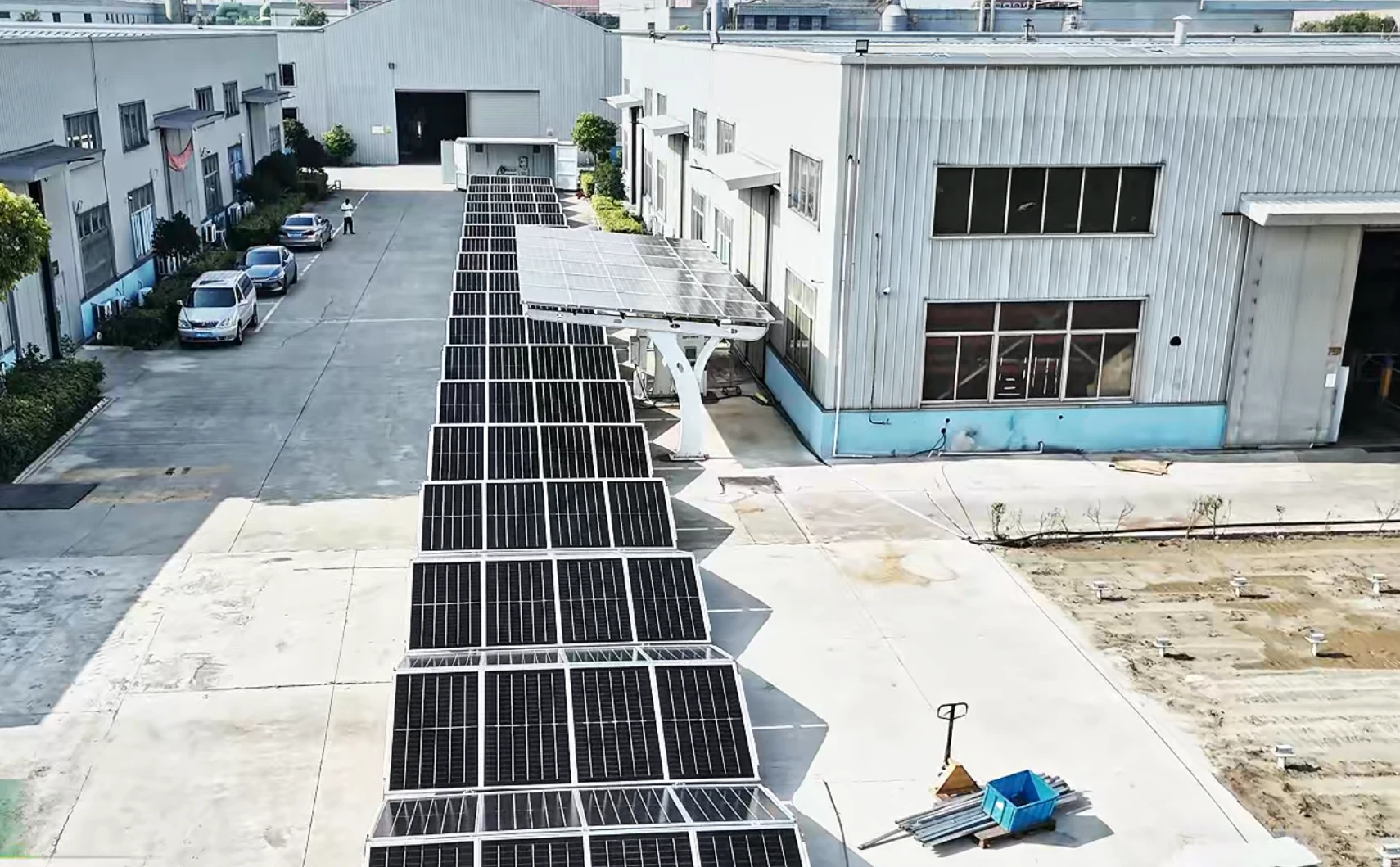
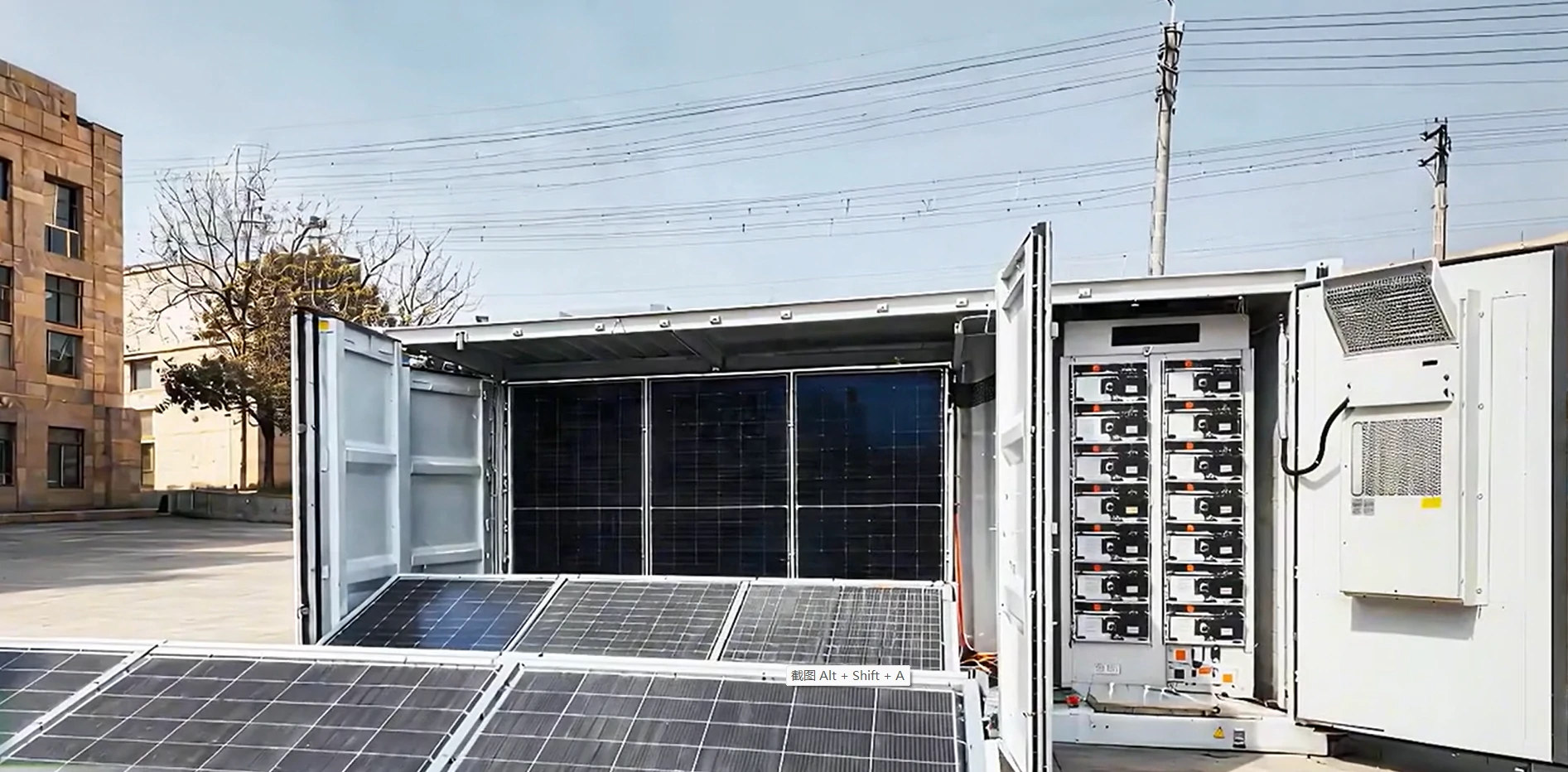
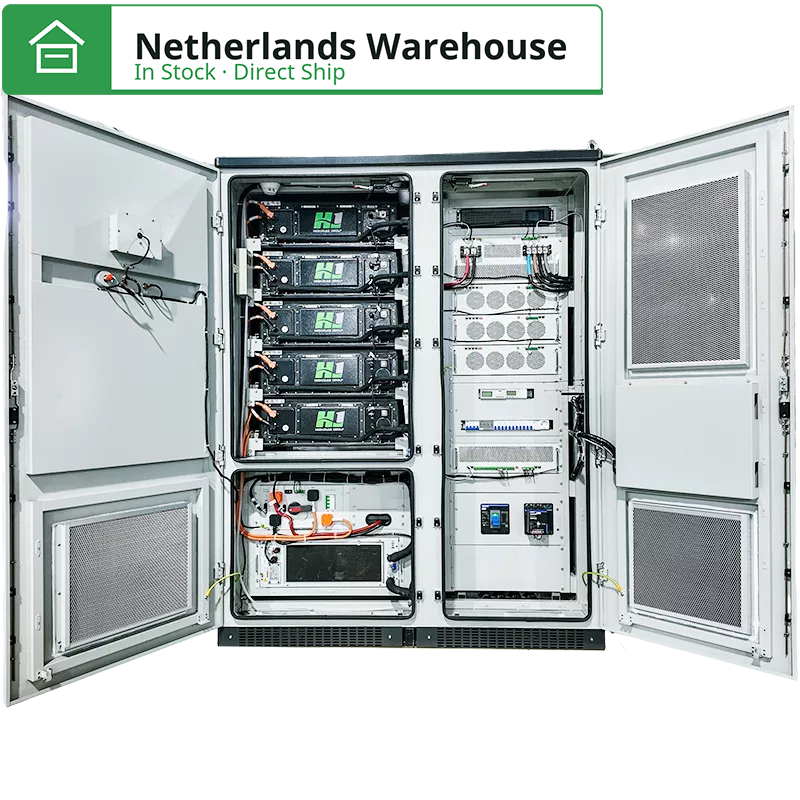
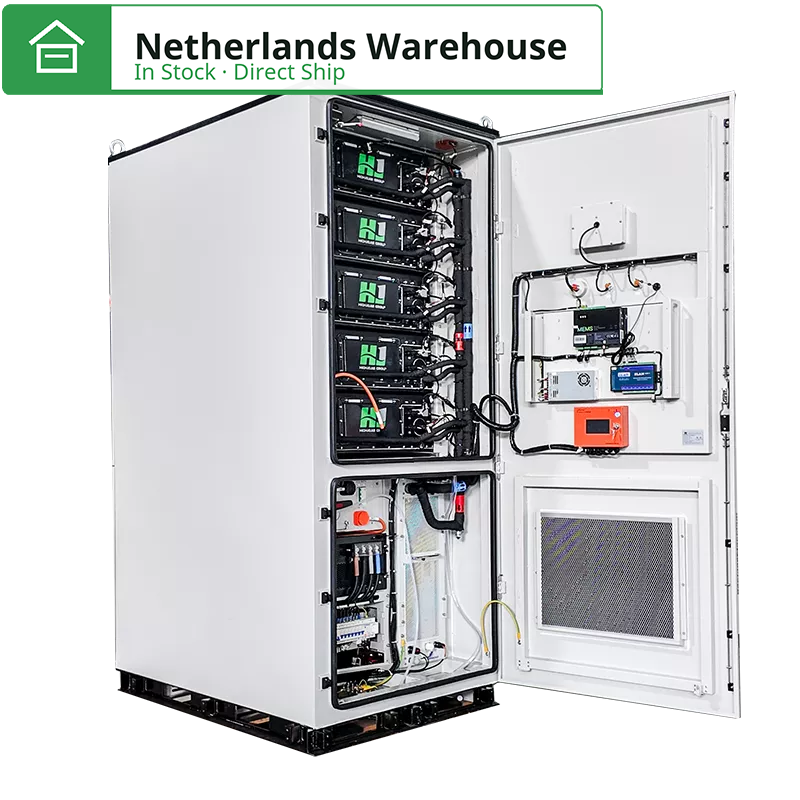
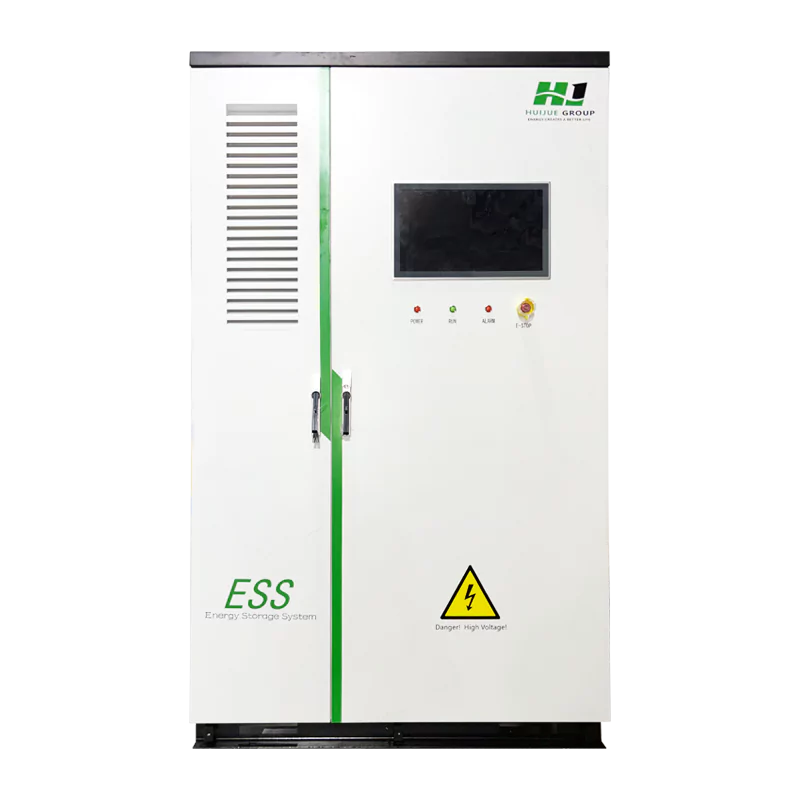
‘PV + energy storage’ is emerging as a trend, with increasing numbers of buildings considering the coordinated operation of façade PV systems and distributed energy storage to enhance self-consumption ratios and strengthen power resilience. However, energy storage systems themselves constitute electrical equipment, and their fire safety requirements must not be overlooked.
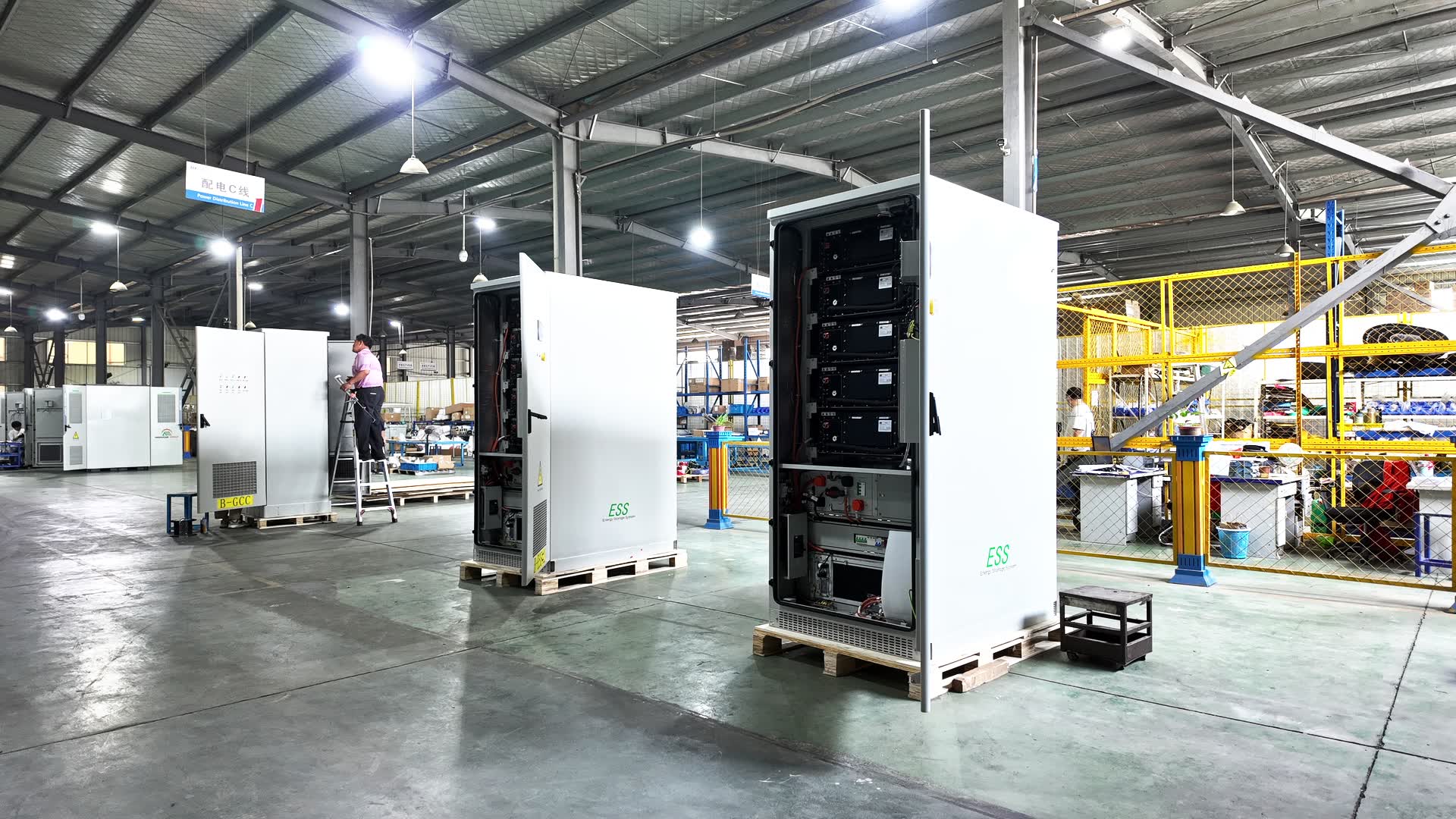
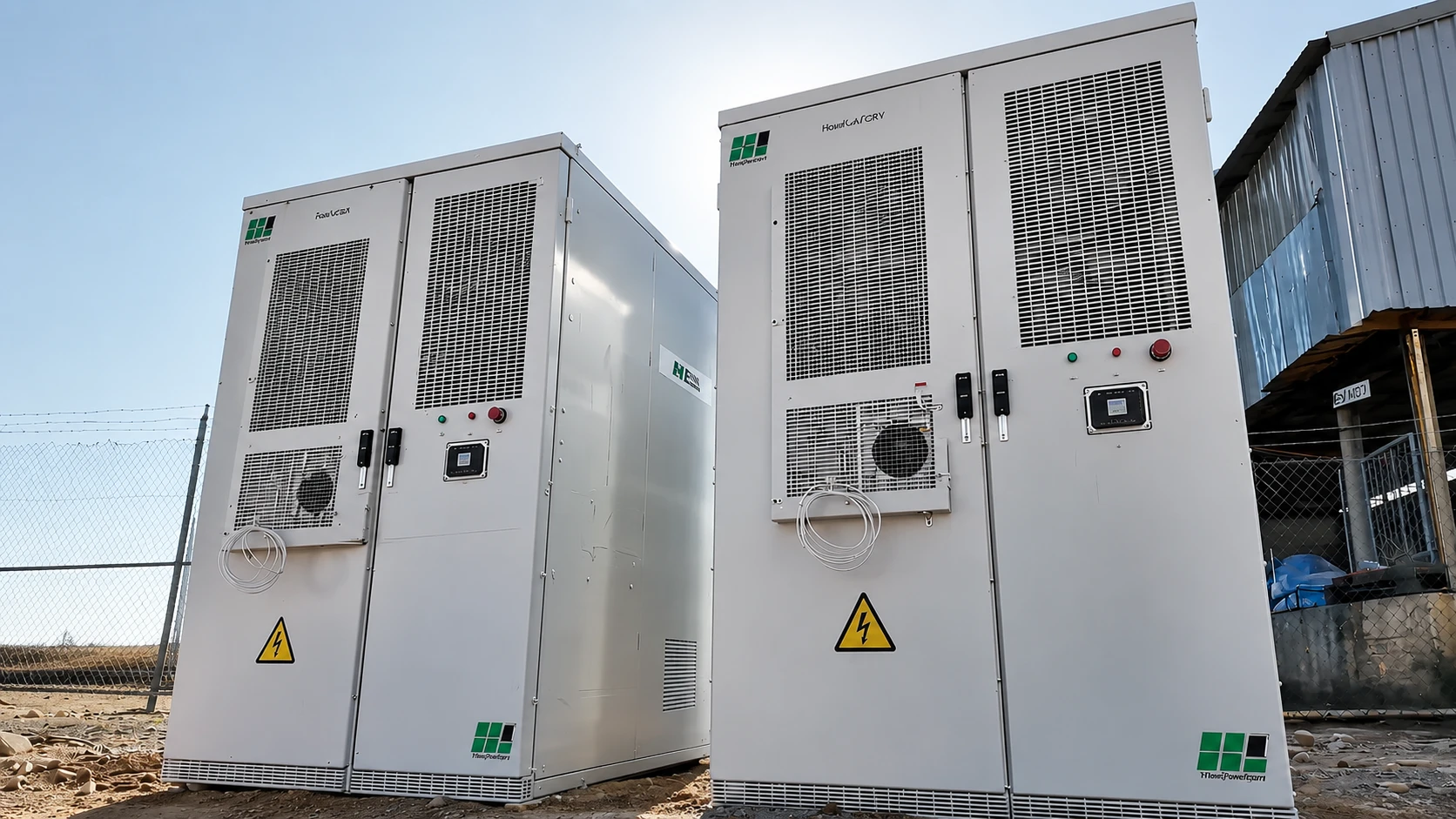
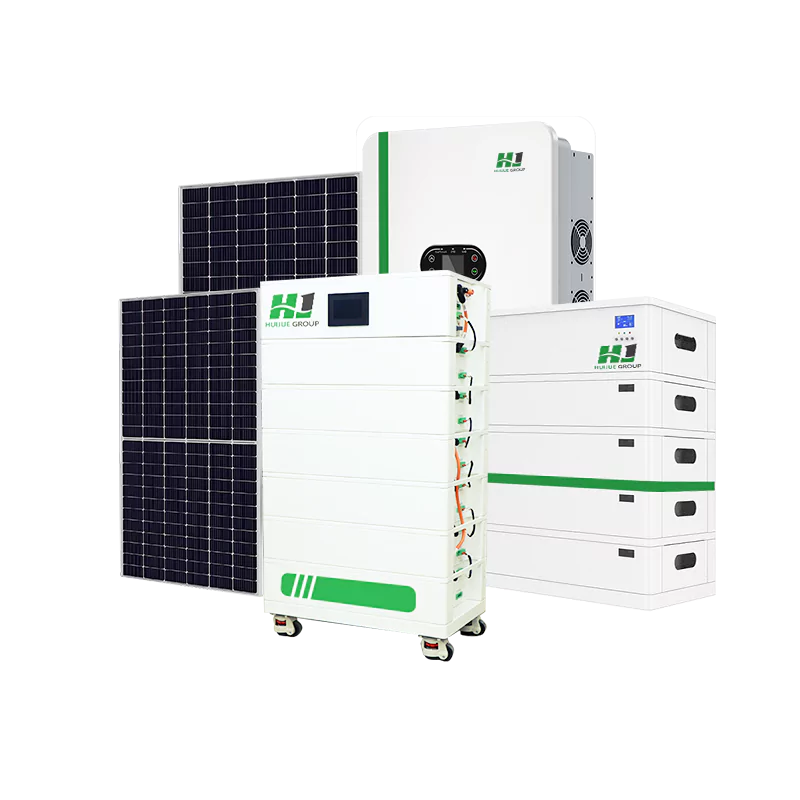
Hui Jue Technology Group has implemented the following across multiple projects:
✔ High-safety-grade battery cells and structural design
Reduced probability of thermal runaway significantly lowers the risk of battery-related fires.
✔ Multi-level active/passive protection system
Includes Battery Management System (BMS), smoke detection, temperature control, and automatic power-off protection to address potential thermal runaway or short-circuit risks.
✔ Energy Management System (EMS) interoperable with PV systems
Intelligent coordination synchronises façade PV generation with energy storage charging/discharging, mitigating fire risks from electrical overloads.
✔ Environmentally resilient installation methodologies
UPS-grade equipment protection strategies ensure continuous operation within complex urban building environments.
In building applications, optimising the interplay between PV and energy storage not only enhances energy efficiency but also reduces electrical fault risks through refined operation and maintenance, thereby lowering overall fire hazards.
V. Facade PV is not ‘too high-risk to implement’, but rather ‘safety must be paramount’
Facade PV is becoming a vital component of Building-Integrated Photovoltaics (BIPV), yet its unique characteristics mean it is not a standard installation where ‘simply attaching brackets suffices’.
Whether concerning materials, structural integrity, power transmission systems, or energy storage coordination, comprehensive standards, scientific design, responsible construction, and sustained operation and maintenance are indispensable.
From Swiss experience to the cautionary tale of Hong Kong’s fire disaster, the industry ultimately converges towards a single direction:
Facade PV installations are feasible, but only when underpinned by a more stringent fire safety framework.
While prioritising building PV safety, do not overlook the value of energy storage systems.
As urban buildings transition towards low-carbon development, increasing numbers of PV and energy storage installations will integrate into the facades and distribution systems of residential, office, and commercial premises.
Should you be considering a building-integrated photovoltaic project or seeking stable, secure energy storage solutions, we invite you to explore Highjoule(HJ Group)’s energy storage offerings. Together, let us advance the energy transition towards greater safety, intelligence, and reliability.