
 +86 18721624519
Will Energy Storage Become as Common as Air Conditioning in the Next Decade?
If we could turn back the clock 20 or 30 years and ask: “Do you need to install air conditioning at home?”
1. Energy Storage is Walking a “Proven Path”
Current energy storage technology feels a lot like air conditioning did in its early days. The technology sounds high-end, the price tag seems steep, and the application scenarios feel distant from the average person.
However, the trend is undeniable: it is evolving from an “engineering project” into a “lifestyle appliance.”
- Electricity pricing is changing: Dynamic pricing makes self-consumption more attractive.
- Demand for stability: Our tolerance for power outages is decreasing.
When blackouts, power rationing, and price fluctuations become common, energy storage ceases to be a buzzword for the renewables industry and becomes a vital tool for daily life.
2. The Rise of “Balcony Storage”
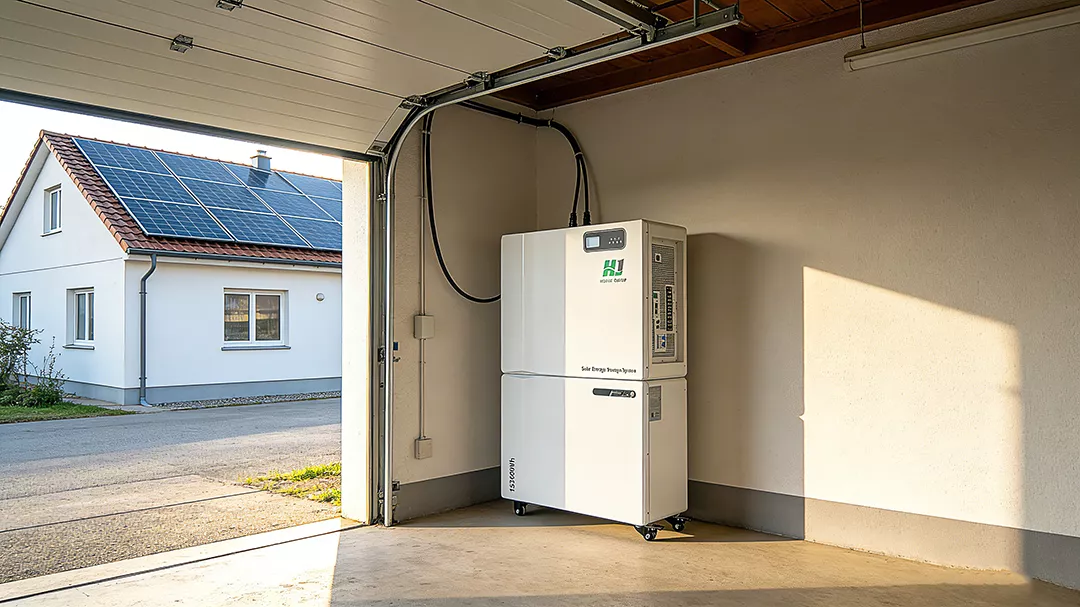
Many may not realize that energy storage has already entered some homes. In several cities, small-scale balcony solar-storage systems are gaining popularity.
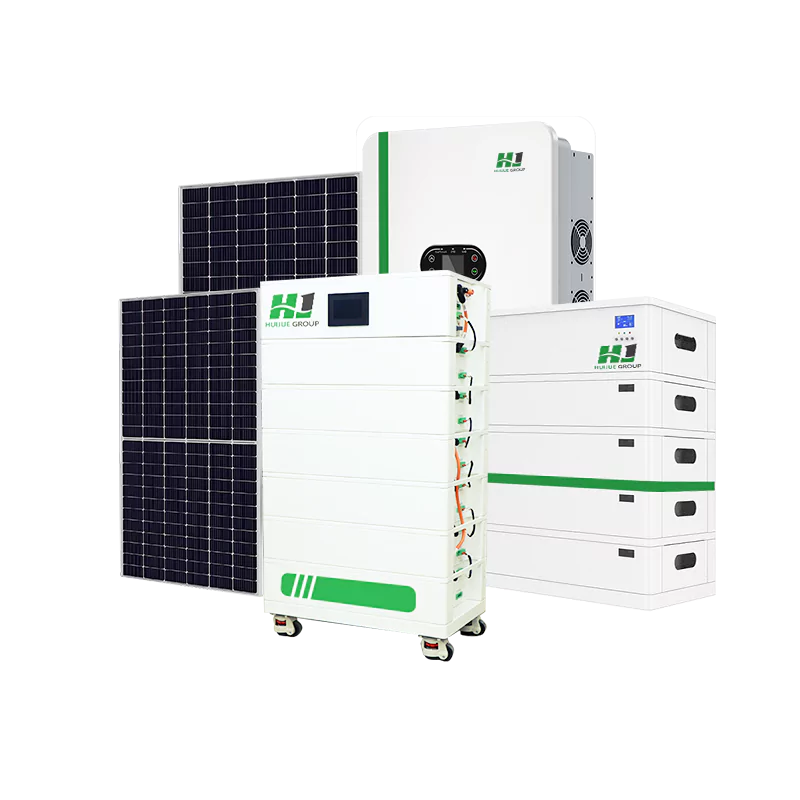
The logic is simple: solar panels capture energy during the day, store it in a battery, and use it at night for lighting, charging, or emergencies. While these systems don’t power the entire house, they cover essential needs. For the average family, the value isn’t just about “how much money is saved,” but rather peace of mind.
“In the event of a power outage or extreme weather, at least the lights stay on.”
3. Outdoor Storage Cabinets: Power on the Move
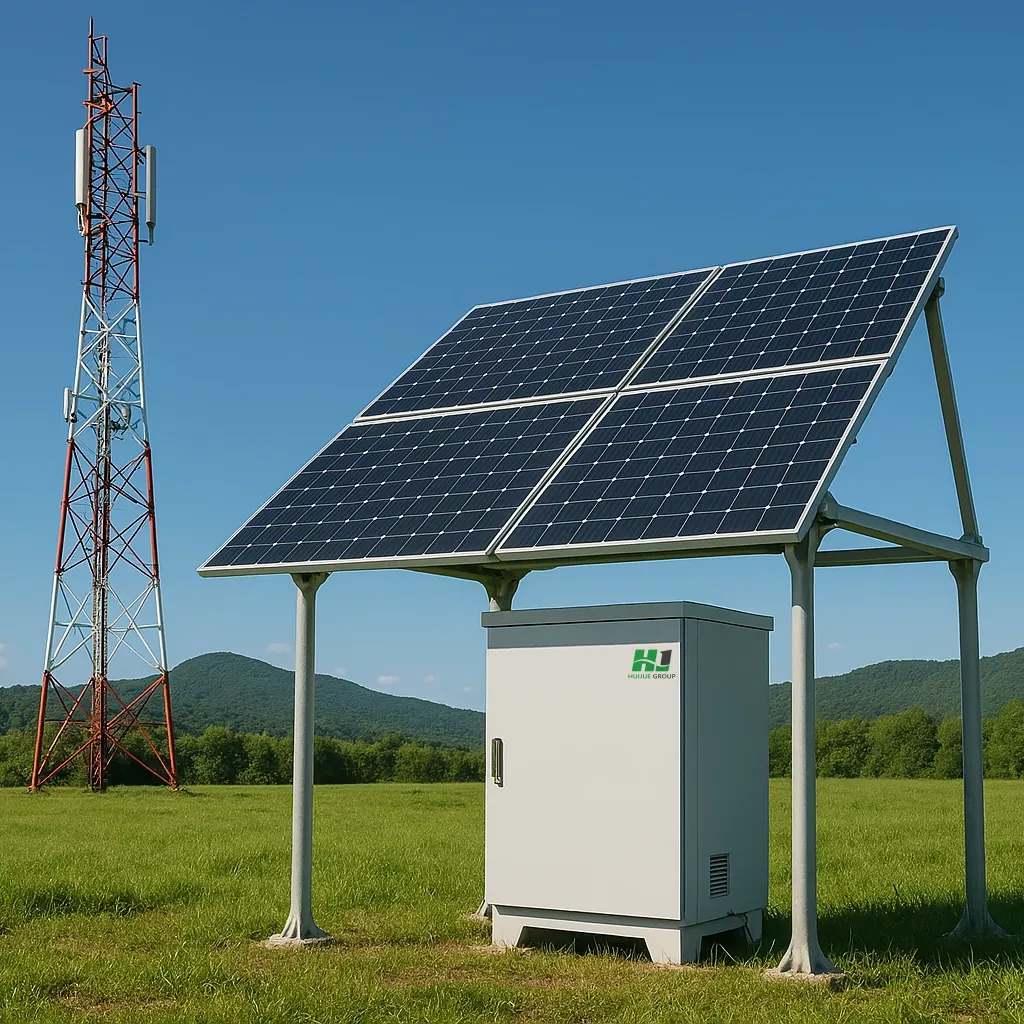
If balcony storage is about “entering the home,” then outdoor energy storage cabinets are about “leaving the grid.”
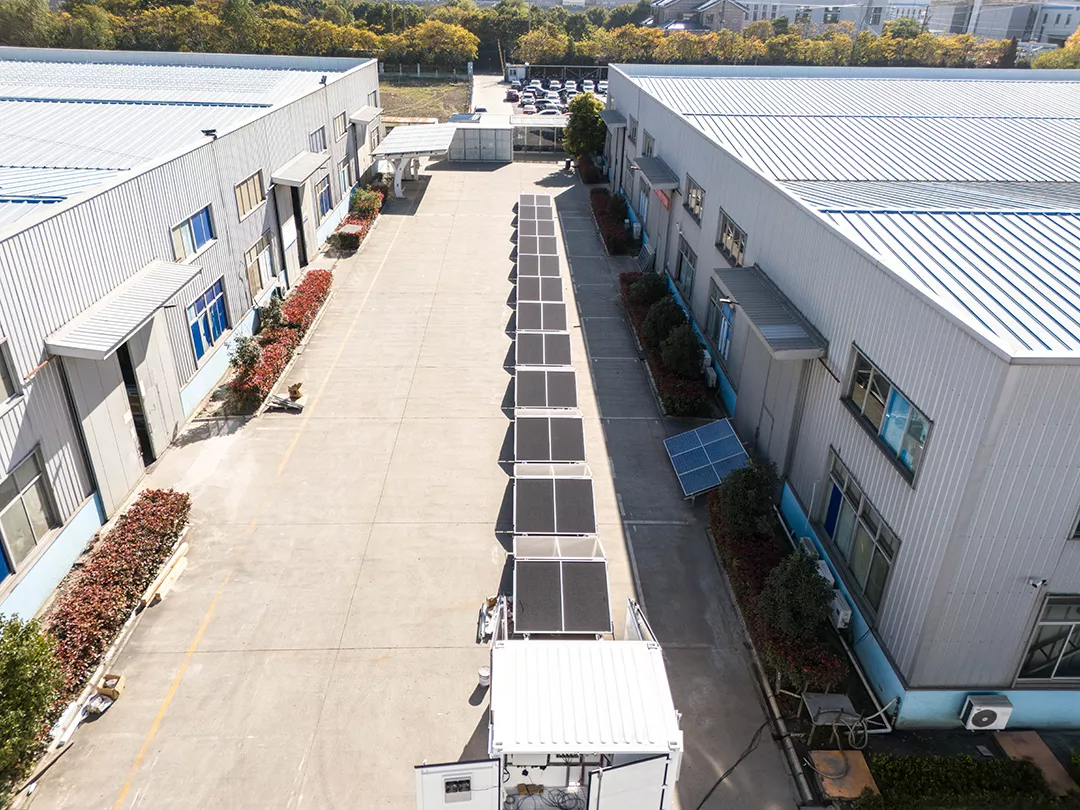
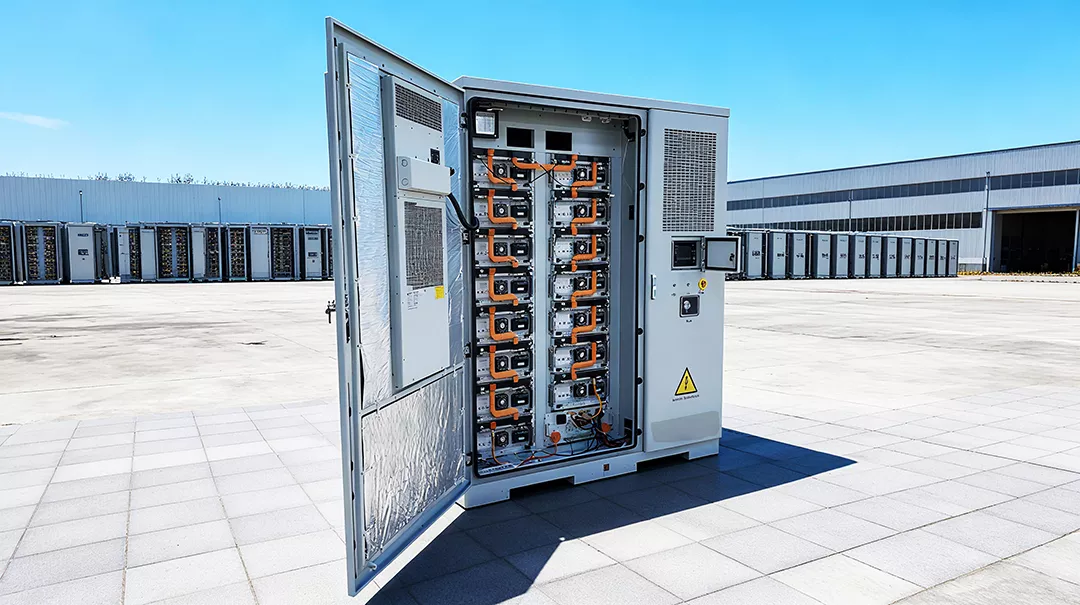
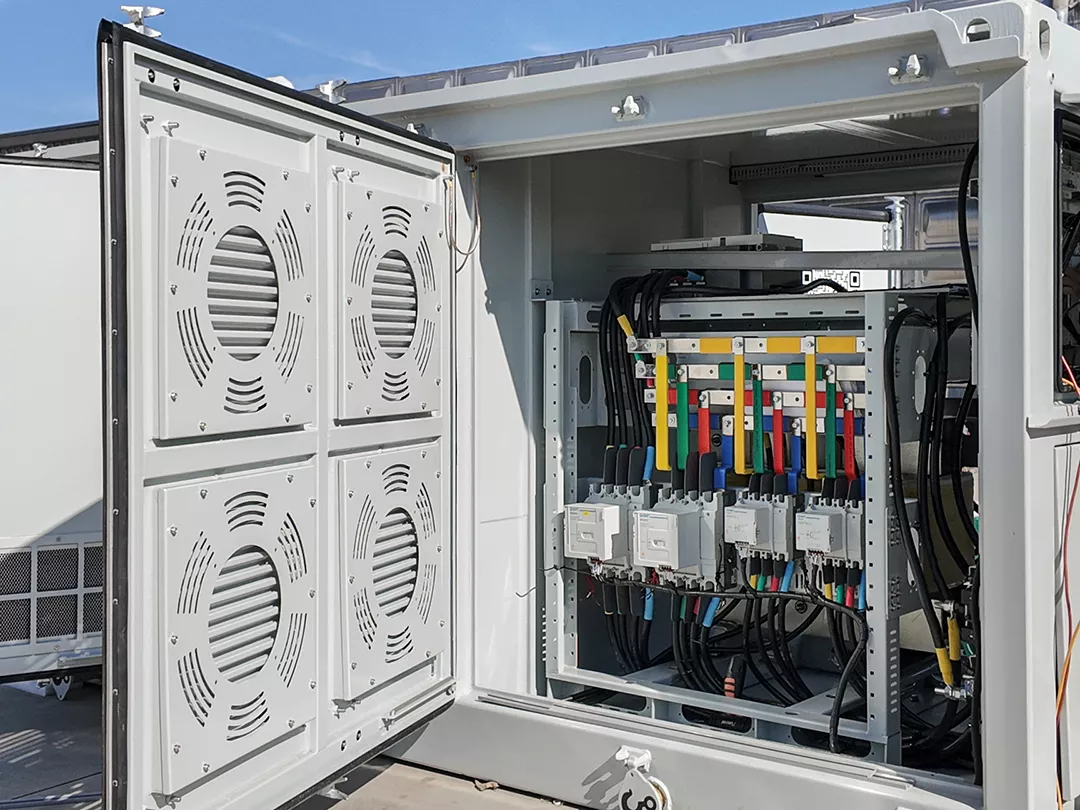
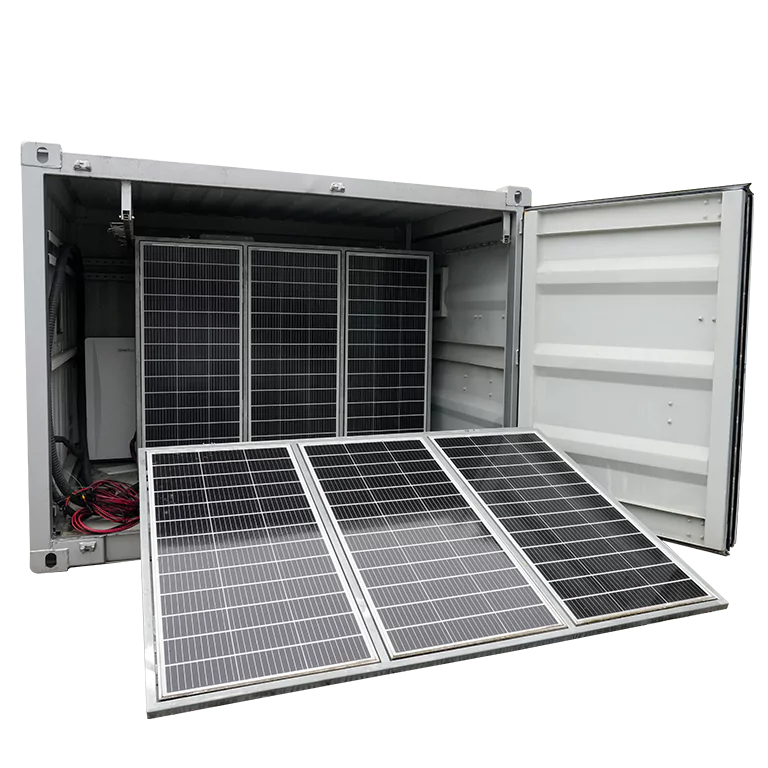
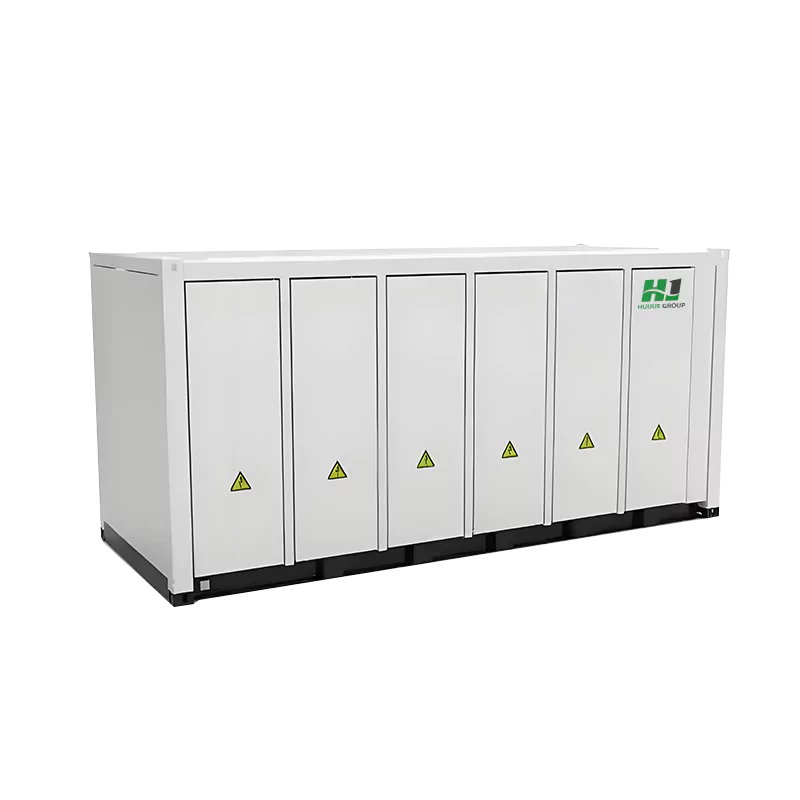
In construction sites, campsites, emergency response zones, and temporary events, storage cabinets are increasingly replacing traditional generators. No noise, no exhaust, and no constant refueling. You simply place the device, and the power is there.
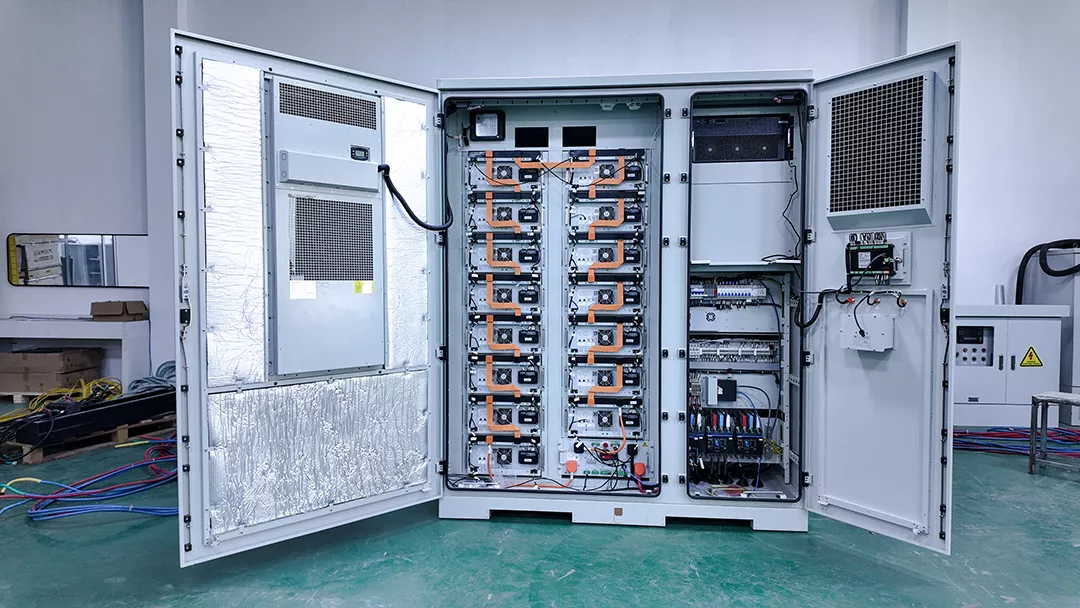
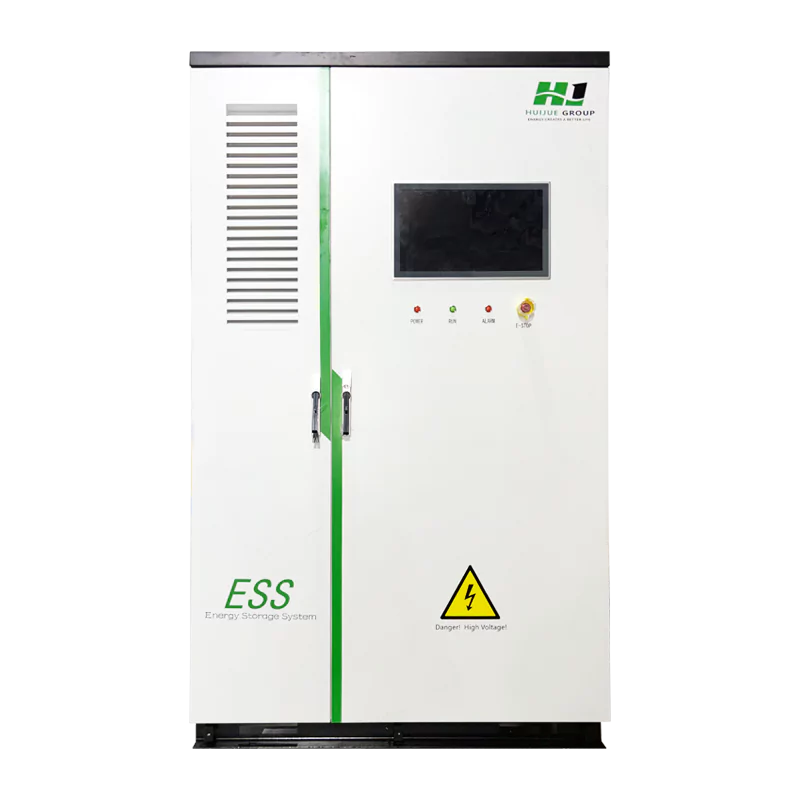
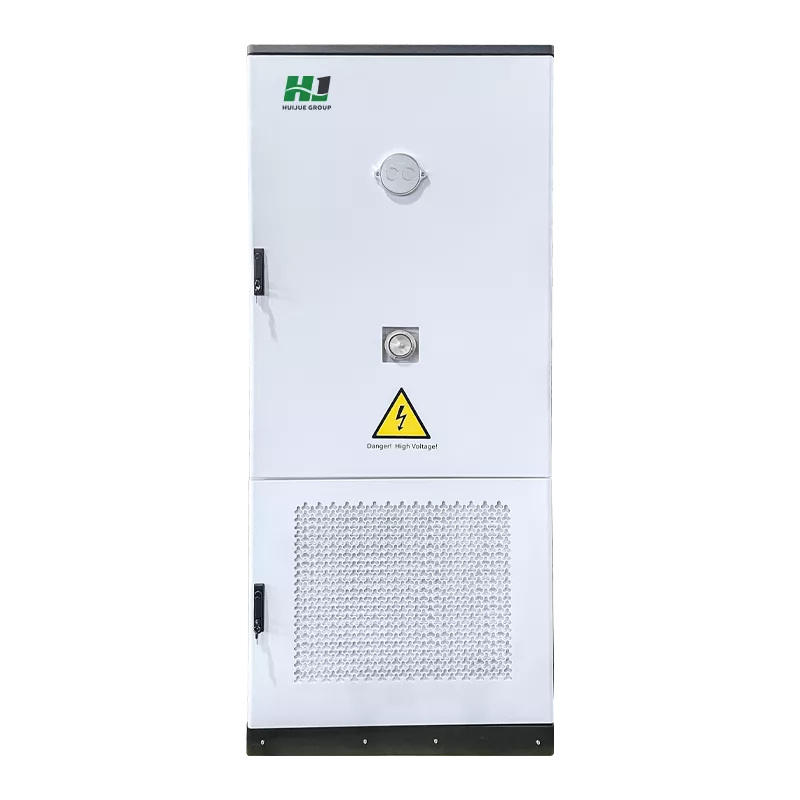
Take Huijue Technology’s outdoor energy storage cabinets as an example: they are designed to be plug-and-play and adaptable to complex environments. This shift mirrors the historical emergence of portable refrigerators and mobile AC units—making a fixed resource truly mobile.
4. Crossing the Threshold of Price and Technology
For any technology to achieve mass adoption, it must pass through three stages:
Expensive → Affordable → Essential.
Energy storage is currently in the middle of this transition:
- Battery costs are plummeting: Manufacturing scale is driving prices down.
- System integration: Units are becoming more compact and “all-in-one.”
- User-friendliness: Installation and maintenance are becoming as simple as any other home appliance.
5. Changing Our Lifestyle
If energy storage becomes as ubiquitous as air conditioning, what changes? For starters, our dependence on the grid diminishes. Households gain energy autonomy, power becomes more stable, and emergency resilience skyrockets.
This isn’t just a tech gimmick; it’s a fundamental shift in how we live. The anxiety associated with “losing power” will significantly fade away.