
 +86 18721624519
From PV-Storage Integration to Grid Intelligence: The Energy Hub of New Power Systems
Exploring the evolution of energy storage from a supporting role to the core of modern energy infrastructure.
In short: The power structure has changed, the way we use electricity has changed, and the “brain” and “heart” of the grid must be upgraded accordingly.
Within this new system, one role is transitioning from a “supporting actor” to the core energy hub: Energy Storage.
I. What Problem is the New Power System Solving?
The logic of the traditional power system was simple: Generation → Transmission → Consumption. Power sources were primarily coal-fired—stable, controllable, and relatively easy to dispatch.
Today, the situation is entirely different. As solar and wind power are integrated into the grid at scale, new challenges have emerged:
- Solar energy is intermittent (available only when the sun shines).
- Wind energy is volatile (subject to weather shifts).
- Power fluctuations are more frequent.
- The peak-to-valley gap is widening.
While the power source has become “random,” the demand for stability at the consumption end remains higher than ever. Consequently, the core objective of the New Power System is “Source-Grid-Load-Storage” (SGLS) synergy. In this framework, “Storage” is no longer an add-on; it is the critical link.
II. Why is Energy Storage the “Energy Hub”?
If we compare the New Power System to the human body:
- Solar and Wind: The energy sources.
- The Grid: The circulatory system.
- Power Load: The organs.
- Energy Storage: The central system that regulates heart rate and blood pressure.
Energy storage does far more than just “save electricity.” In practical operation, it can:
- Smooth out fluctuations in renewable energy.
- Perform peak shaving and valley filling to relieve grid pressure.
- Participate in frequency and voltage regulation.
- Enhance system stability and provide emergency backup.
Crucially, energy storage is the only role that can act as both a “power source” and a “load.” This dual identity gives it immense value at the dispatch level.
III. As the Grid Gets “Smarter,” Storage Must Upgrade
As the grid moves toward digitalization and intelligence, the requirements for energy storage systems (ESS) have shifted. The industry is moving from a basic hardware focus to a system-level solution focus.
The Evolution of Requirements:
Past: Usability, capacity, and basic safety.
Present: Visibility, calculability, dispatchability, and seamless grid integration.
This demands higher-level capabilities, such as support for multi-level energy management, interfacing with grid EMS (Energy Management Systems), remote monitoring, and data analysis.
IV. System-Level Solutions: The New Industry Watershed
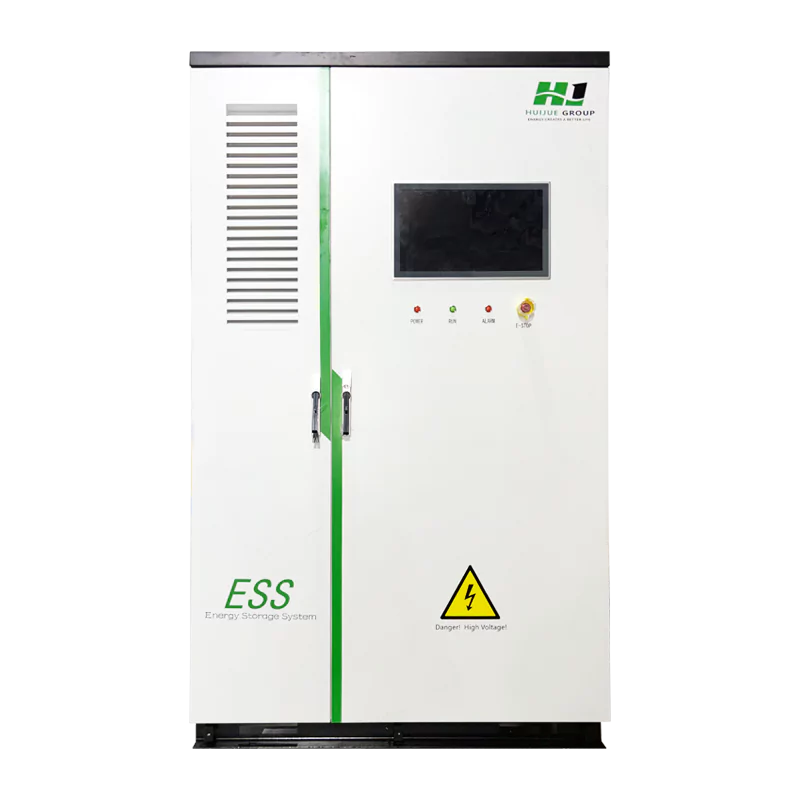
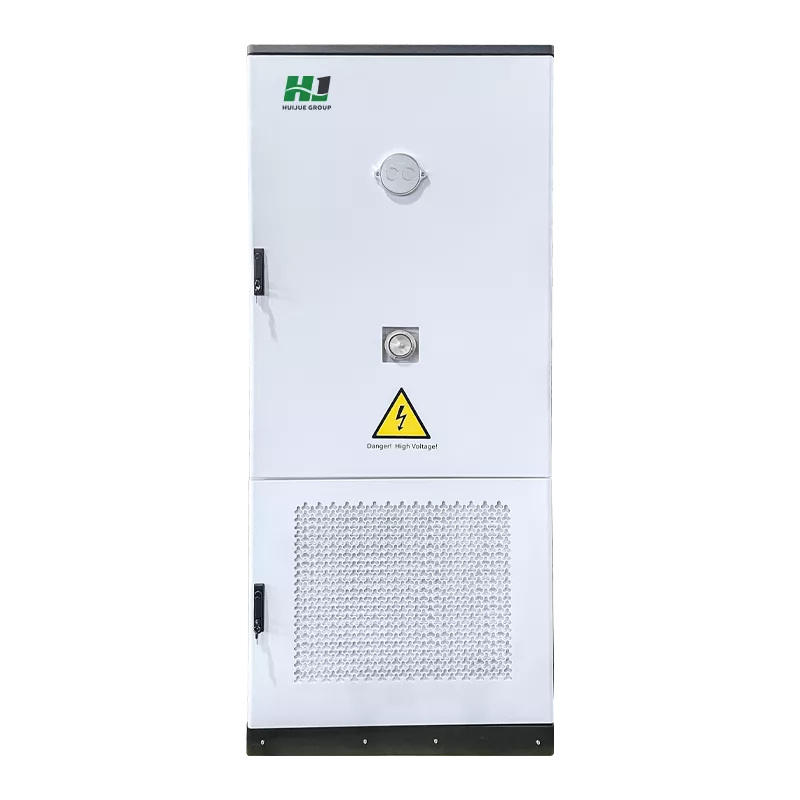
At this stage, companies focusing on system integration and digital capabilities are gaining a competitive edge. For instance, companies like Huijue Networks are designing storage solutions around the specific needs of the New Power System:
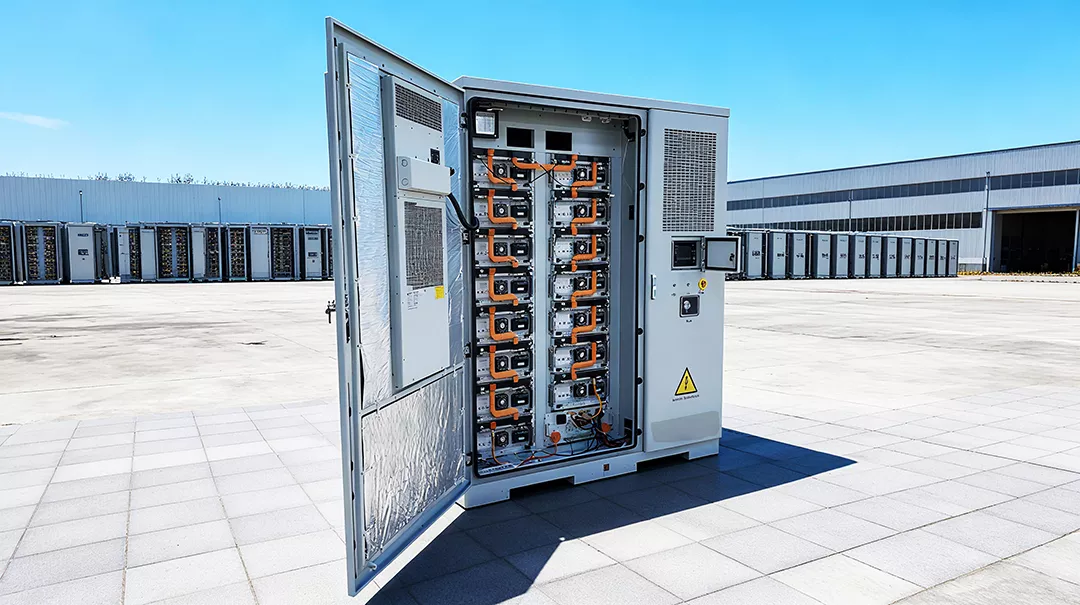
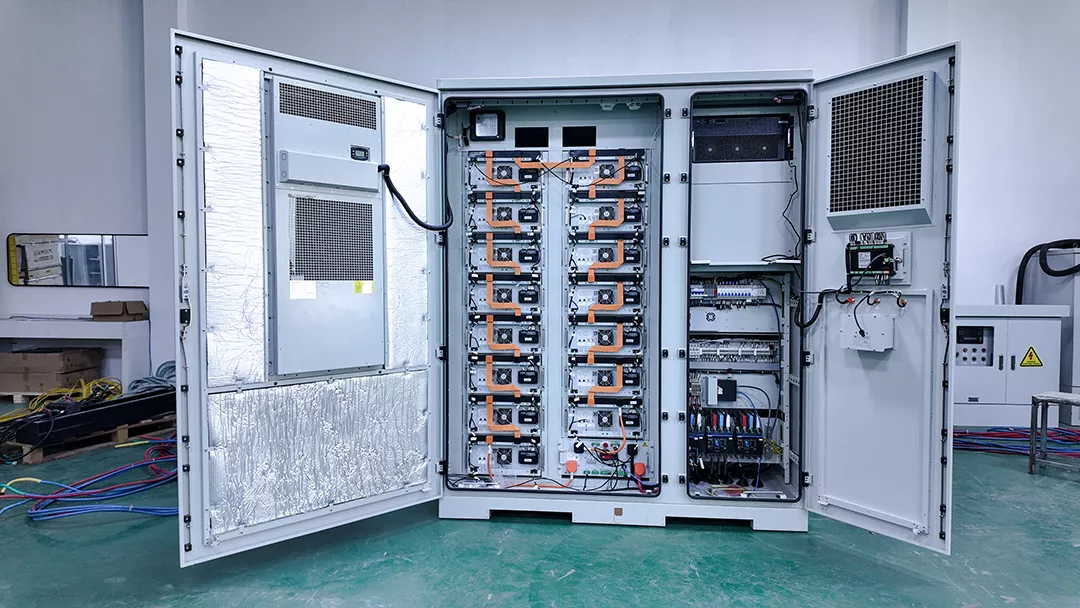
- From battery cells and PACKs to full system integration.
- From thermal management and safety to intelligent control.
- From local operation to cloud-based monitoring and data management.
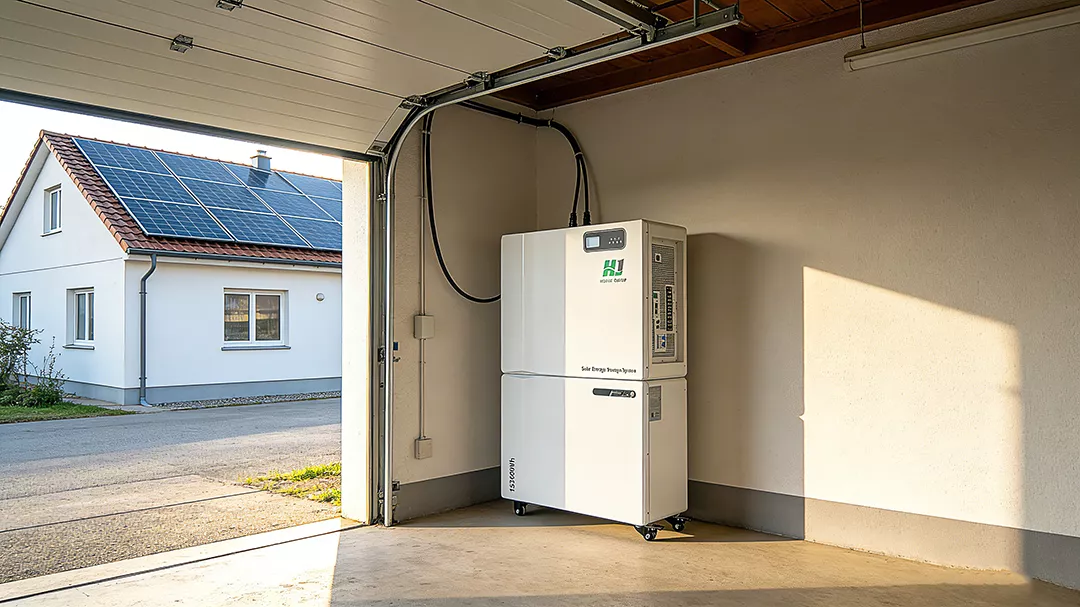
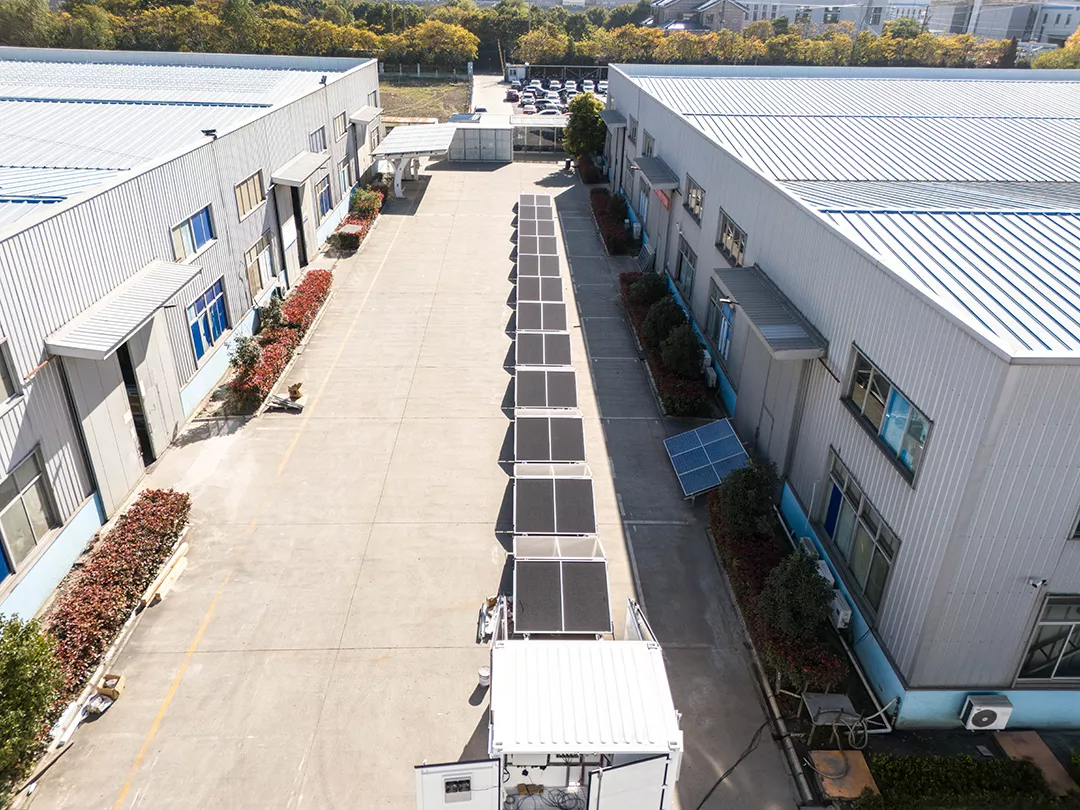
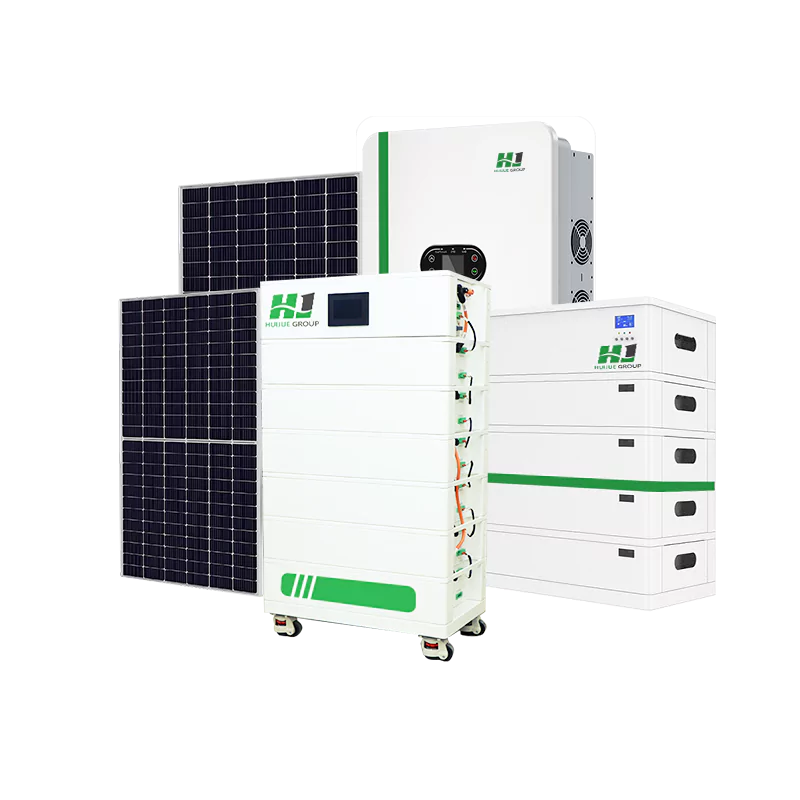
System-level solutions are better suited for grid-side storage, industrial/commercial storage, and PV-storage integration projects where long-term operation and dispatch value are paramount.
V. Future Competition: Dispatchability Over Capacity
The focus of the energy storage industry is shifting. The competition is no longer just about who has the biggest battery or the lowest price, but rather:
- Who understands the grid best?
- Who understands the system architecture best?
- Who can truly participate in power dispatching?
In the New Power System, storage is not an isolated device but a “coordinator” within the entire energy network.