
 +86 18721624519
Is it Harder for PV Export Without Rebates? The Real Test is Just Beginning
Lately, many in the industry have been discussing one thing: the cancellation of PV export rebates starting April 1, 2026. While some are anxious about rising costs and tougher competition, the reality is that the withdrawal of rebates was inevitable. The real question now is not what to do without rebates, but how to survive without them.
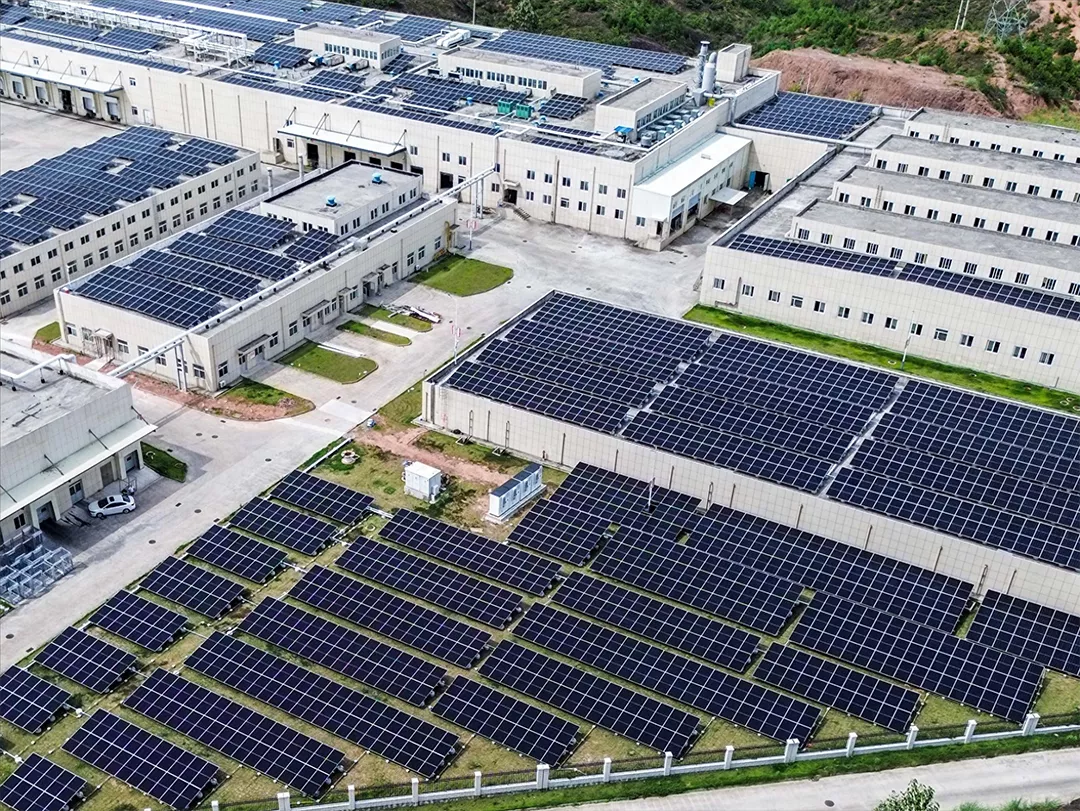
1. With Rebates, Everyone Could Go Overseas; Without Them, Only the Strong Survive
In previous years, entering the overseas PV market wasn’t particularly challenging if you had goods at competitive prices with some room for rebates. However, many projects were barely viable, with thin margins and minimal system configurations. Rebates acted as a cushion, masking underlying issues. Now, with rebates gone, these problems are becoming apparent.
2. Policy Changes Reveal True Corporate Strength
After rebate adjustments, companies will find that quotes they could once accept are now met with hesitation from clients. Clients are now asking more detailed questions about system stability, energy storage options, cost reductions, and after-sales support. These questions cannot be answered by low prices alone. The true test is not who offers the lowest price but whose products are reliable, whose solutions are mature, and who can sustain projects long-term.
3. Transitioning from Selling Products to Selling Systems is Inevitable
If we break down the development stages of the PV industry, it becomes clear:
- Early Stage: Selling components, where lower prices meant an advantage.
- Middle Stage: PV plus energy storage became standard.
- Current and Future Trends: Focus on systems, scenarios, and comprehensive solutions.
Nowadays, overseas clients seek stable power supply, reduced diesel usage, and long-term operation in complex grid environments. This is why “PV + Energy Storage,” “Microgrids,” and “Energy Management” have become buzzwords. The industry is indeed upgrading, beyond mere policy impacts.
4. Why We Still Look Optimistically at PV and Energy Storage Exports?
From our perspective, we focus on three key questions:
- Can this solution address customers’ real electricity needs?
- Can this system operate reliably for 5 to 10 years?
- Can this model be replicated across different countries?
As long as these questions are affirmatively answered, the presence or absence of rebates is merely a short-term variable. More importantly, in many regions, stable and controllable power is a basic need, and PV plus energy storage remains a highly cost-effective solution.
Conclusion
The adjustment of rebates may seem like a cost shock, but in the long run, it serves as an industry health check. Companies with strong fundamentals will continue to grow, those needing adjustments will find ways to improve, and those relying on subsidies will naturally be phased out. For the industry, this isn’t necessarily negative. What truly determines a company’s longevity is whether it sells on price or creates value.